
Darren Hails looks beyond Minnesota’s bye week trade frenzy to the decisions created by four returning offensive players, Harrison Smith’s deliberately limited role, two defensive bargains who won’t stay cheap and a Colts special teams problem worth watching on Sunday.
The Vikings didn’t play at the weekend, which was quite considerate of them. After five straight Sundays of trying to work out how they had won again while a different part of the roster was being held together with tape, a week without the usual fourth-quarter blood pressure test was welcome.
Then trade deadline season arrived, and everybody had sent half the league to Minnesota by Tuesday lunchtime.
A bye week should suit The Skol Scroll. There’s no result to retell, no box score demanding six sections and no need to pretend the most obvious headline has somehow been missed. We can look at what actually changed while the team was away.
The answer is quite a lot. Four injured offensive players returned to practice, Harrison Smith’s post-bye role became clearer, one receiver rumour was cooled down, two cheap defenders moved closer to expensive decisions and Indianapolis gave Minnesota’s special teams something very interesting to stare at.
Four full participants, four new decisions
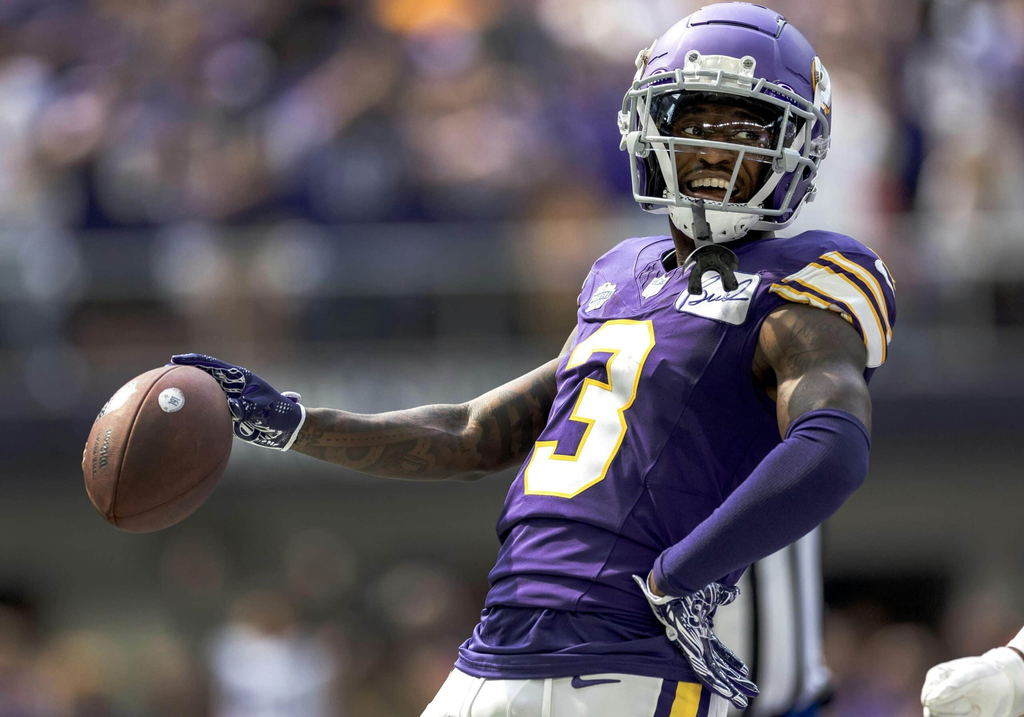
Jordan Addison, Christian Darrisaw, T. J. Hockenson and Jordan Mason were all full participants in Wednesday’s practice. On the surface, that’s the cleanest piece of good news Minnesota’s had since the season began. The four last played together in the opener against Green Bay, and even that lasted only until Mason injured his thumb.
There’s still some paperwork and protocol between Wednesday and Sunday. Darrisaw and Hockenson need to complete the concussion process, while Mason remains on injured reserve after the Vikings opened his 21-day practice window. Full practice participation is encouraging; it isn’t the same as a Friday game designation or an activation.
If they do return, the less obvious part begins. Minnesota spent the first five games finding answers for their absences, and some of those answers have earned the right to stay involved.
Aaron Jones carried 25 times for 113 yards in New Orleans and has taken on far more of the backfield than Minnesota intended for a 31-year-old runner. Mason’s return should restore the rotation rather than start a fresh argument about who’s RB1. Jones has shown he can carry the load. The sensible reward is to stop asking him to do it every week.
Hockenson’s return would give Kyler Murray back the middle-of-the-field target who caught 13 passes against Miami, but Gavin Bartholomew and Ben Yurosek did enough against the Saints to remain useful. Josh Oliver’s torn biceps still leaves a blocking job that neither Hockenson’s return nor a healthy injury report automatically replaces.
Darrisaw can settle left tackle again, which is obviously helpful, but Donovan Jackson is still gone for the season. Joe Huber’s first start at left guard was encouraging rather than conclusive. Getting one outstanding lineman back doesn’t make the whole left side healthy.
Then there’s Addison returning to a receiver group already trying to work out Jauan Jennings, Odell Beckham Jr., Tai Felton, Myles Price and Jeshaun Jones. Healthy sounds simple until the coaches have to decide who actually plays.
The bye has given Kevin O’Connell more choices. Now he has to show that the offense can use them without turning the whole thing back into an August rotation.
Harrison Smith isn’t returning to his old job
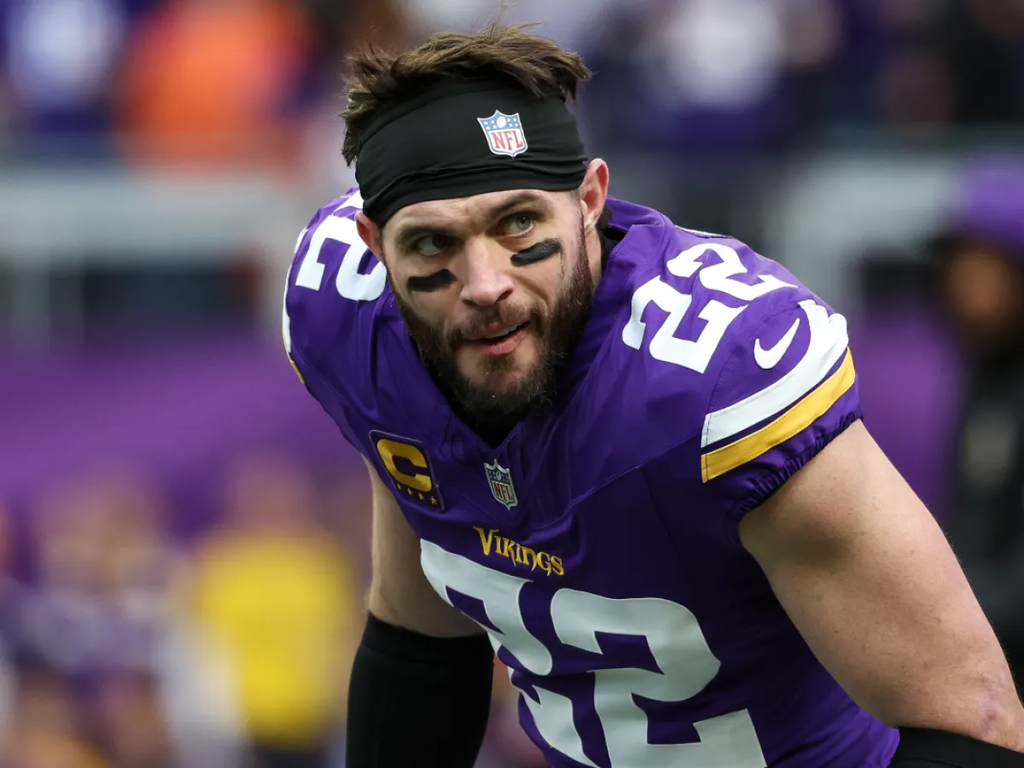
The natural assumption was that Harrison Smith’s early-season snap count formed part of a long ramp-up. He missed training camp, returned shortly before Week 1 and began with 38 and 39 per cent of the defensive snaps against Green Bay and Chicago. His share rose to 45 per cent at Tampa Bay, then 64 per cent against Miami and New Orleans.
Bye week arrives, Smith gets another fortnight of preparation and the old full-time role returns. Neat enough.
Kevin O’Connell, however, said the plan may look different this season. Minnesota wants to keep Smith fresh and use the depth across its secondary. His workload has grown beyond obvious passing downs, but O’Connell didn’t describe the bye as the point where every restriction disappears.
I quite like that. We spent the summer talking as though Smith’s return meant somebody else had failed to replace him. What Minnesota has actually built is a role that uses his reading of the game without asking a 37-year-old safety to grind through every early-down run snap. Josh Metellus and Theo Jackson can take the bulk of the work, while Smith arrives in the situations where disguise, communication and an old quarterback trick stored somewhere in his brain are most useful.
It also explains why the Vikings have resisted treating safety as an emergency despite nearly every trade deadline list including one. A new player would need to learn one of the league’s most complicated defensive systems midway through the season. Smith already knows where everybody’s meant to be, and Minnesota no longer needs him to be there for 70 snaps to get value from it.
This isn’t a ceremonial final season or an endless attempt to make him look 27 again. It’s a specific job, and the plan after the bye appears to be preserving it.
One trade rumour died while 30 more appeared
Last week’s Scroll ended with Jauan Jennings entering the trade conversation. This week supplied an actual update.
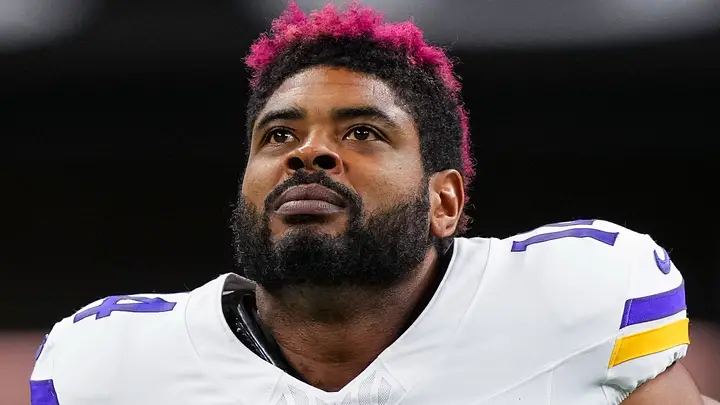
NFL insider Tom Pelissero told KFAN he doesn’t anticipate Jennings going anywhere. He acknowledged that other teams have shown interest, which is unsurprising when a veteran receiver has two catches and a limited role, but said he expects Jennings to remain on the roster and believes there’s more for Minnesota to get from him. Pelissero also played down the idea of the Vikings signing JuJu Smith-Schuster after his workout.
That doesn’t make a trade impossible. An offer can change a conversation very quickly. It does move the current evidence away from “Minnesota wants out” and towards “other clubs have called”. Those aren’t the same story, however many times Jennings is photoshopped into a San Francisco jersey.
The buying side is more credible, although nowhere near as precise as the names being thrown around. Alec Lewis reported that team sources believe Nolan Teasley is open to pursuing a range of deadline ideas. Tight end, running back, interior offensive line, defensive line and safety were all identified as areas Minnesota could consider. Availability, price and the salary cap will decide whether any of those conversations become a move.
That’s the line I’m keeping. The Vikings are 5–0, Teasley has said he wants to be involved in everything, and his Seattle background includes being part of the front office that made a useful in-season deal for Rashid Shaheed. Minnesota should be making calls. We still don’t have a confirmed target, a reported offer or any evidence that Indianapolis sacking its general manager has turned the Colts roster into a Sunday afternoon car boot sale.
Being active can mean making one sensible depth move after three weeks of calls. It doesn’t have to mean donating a first-round pick because somebody has produced a graphic with five famous names on it.
The cheap defense is quietly becoming an expensive one
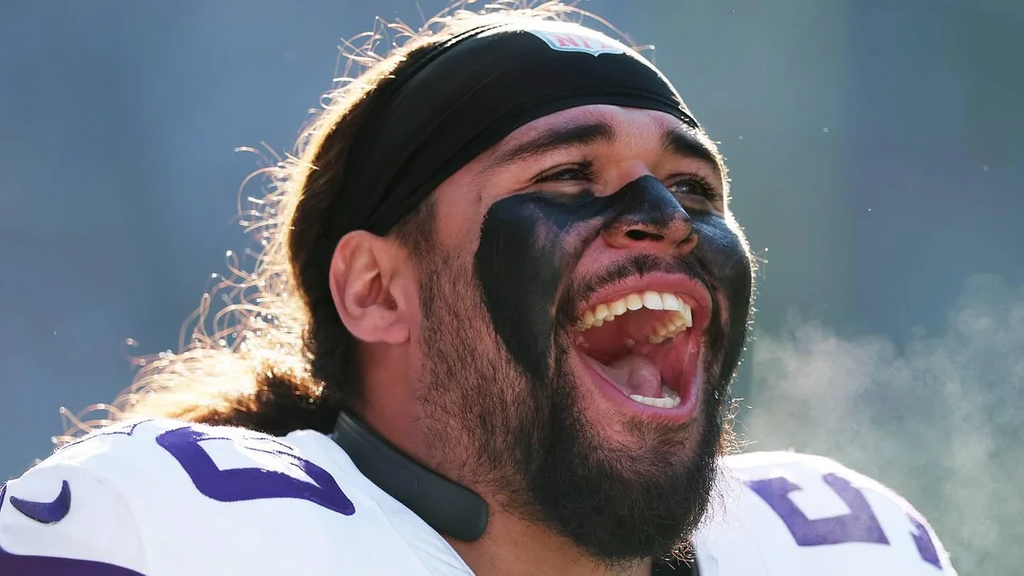
Trade talk tends to look only at what a team can add. Minnesota also has several current bargains moving towards much less bargain-like contracts.
Isaiah Rodgers is in the final year of the two-year deal he signed in 2025. According to Pro Football Reference figures cited this week, opponents have completed seven of 22 passes into his coverage, with no touchdowns and a 31.4 passer rating. PFF had him first among its cornerbacks at the bye. He’s also intercepted a pass, defended four, recovered a fumble and blocked a field goal.
Those numbers will move, and PFF rankings should never be treated as tablets brought down from a mountain. Even so, Rodgers has handled a difficult job. Brian Flores sends extra rushers, leaves his corners without much help and asks them to attack the quick throws that follow. Rodgers’ speed lets him play that way. If he keeps doing it, his next contract will look nothing like the one Minnesota currently enjoys.
Levi Drake Rodriguez is a different version of the same problem. The 2024 seventh-round pick has started all five games at nose tackle, playing 170 defensive snaps with nine tackles, one sack, three quarterback hits and two tackles for loss. Jalen Redmond receives plenty of deserved attention, but Rodriguez has helped make a very young defensive line work without a veteran holding everybody’s hand.
Rodriguez can’t sign an extension until after his third NFL season, so nothing has to happen now. His rise still belongs in the deadline conversation because every addition spends money and snaps that may be needed elsewhere. Andrew Van Ginkel is also in the final year of his deal, Rodgers is heading towards free agency and Minnesota will eventually have to decide how much of this defense it can keep together.
The front office should improve a 5–0 team if the right move is available. It also needs to remember that some of the best upgrades are already wearing purple and getting dearer by the week.
Indianapolis has a problem before the ball reaches its offense
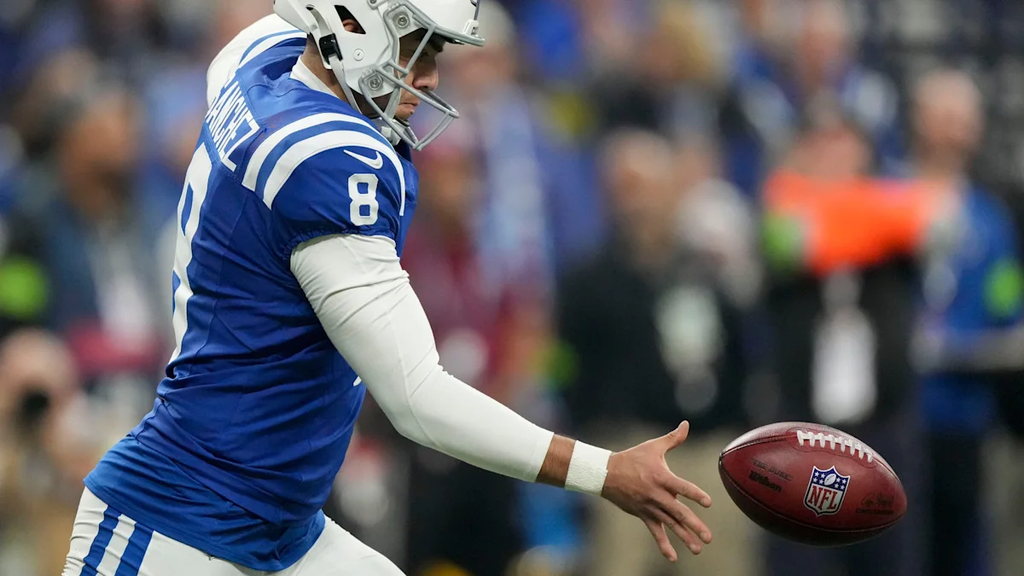
Indianapolis lost 26–20 to Tennessee after leading by 13 points at half-time. The collapse included a 58-yard punt return and a blocked punt returned for a touchdown in the fourth quarter. Punter Rigoberto Sanchez hurt his right foot on the block and didn’t practise on Wednesday.
That’s an awkward week to face Myles Price.
Price already has an 86-yard punt return touchdown against Tampa Bay and produced another 43-yard return in New Orleans. The Colts now have to decide how much protection to keep around their punter, whether Sanchez is healthy enough to play and how aggressively they’re willing to cover Price. Extra protection can slow the release of the coverage unit; releasing everybody quickly can reopen the lane that Tennessee exploited.
Minnesota doesn’t need to block a punt to win that exchange. A hurried kick, reduced distance or a ball deliberately sent towards the sideline can still hand the offense useful field position. With Will Reichard capable of turning a short field into points before a drive reaches the red zone, the pressure begins long before Price catches anything.
The Vikings’ special teams have won possessions, points and field position throughout the 5–0 start. Indianapolis has just spent a fourth quarter showing exactly how damaging those details can become.
The rest of the Scroll
Natrone Brooks returned to Minnesota’s practice squad for the second time this month. The 26-year-old corner has appeared in 26 NFL games and made one start for Atlanta. It looks like ordinary depth until the initial injury report lists James Pierre as limited with a foot injury and Charles Demmings as returning from a hamstring problem. Brooks is unlikely to jump into the defensive rotation, but the timing explains why the club wanted another experienced corner already inside the building.
Justin Jefferson and Brian O’Neill were also limited on Wednesday, with ankle and knee injuries respectively. Neither has received a game status yet. Friday’s report will tell us far more than a Wednesday column filled with LP and FP, although I appreciate that’s never stopped us before.
Will Reichard received a proper bye-week feature from Purple Insider built around seven Vikings fans explaining why they now expect his kicks to go through rather than waiting for disaster. I don’t want to tempt fate, and I’m certainly not declaring any Minnesota kicking curse finished in October. Still, changing the default fan reaction from dread to trust may be the most impressive thing Reichard has done. We can discuss Gary Anderson again if he moves the record on Sunday; everyone should bring their own coping mechanism.
A 5 o’clock kick-off and a proper watch party

The football setup is fairly clear. Indianapolis is 2–4, Daniel Jones remains the starting quarterback and Tennessee sacked him six times last weekend. The Colts would rather lean on Jonathan Taylor than spend an afternoon asking Jones to identify where Flores’ pressure is coming from. Minnesota’s offense can help its defense by taking an early lead and making that choice harder.
The Vikings should also have more of their intended offense available than at any point since Week 1, assuming the rest of the practice week goes well. I’m less interested in whether all four returning players appear than in what O’Connell does with them. Does Mason immediately restore the backfield rotation? Does Hockenson’s return keep Yurosek involved? Can Addison create room for Jennings rather than simply taking his snaps? Does Darrisaw’s presence help Huber settle at guard?
Kick-off is at 5pm in the UK and Ireland on Sunday because our clocks go back that morning. For once, losing an hour of evening daylight has produced something useful.
The UK & Ireland Minnesota Vikings Fan Club watch party is at KERB Sports Bar, Old Spitalfields Market, SP1A and SP1B, 4 Horner Square, London E1 6EW. The meetup begins at 4pm, the venue is family friendly and there’s a signed Justin Jefferson mini helmet up for grabs.
Sunday will tell us whether Minnesota reaches 6–0. The quieter test is whether a healthier roster looks like a better team or simply a more crowded one. Getting players back is the pleasant bit. Deciding what to do with everybody is where the season moves on.